Arts & Solidarity Research Overview: Literature Review and Focus Groups Review

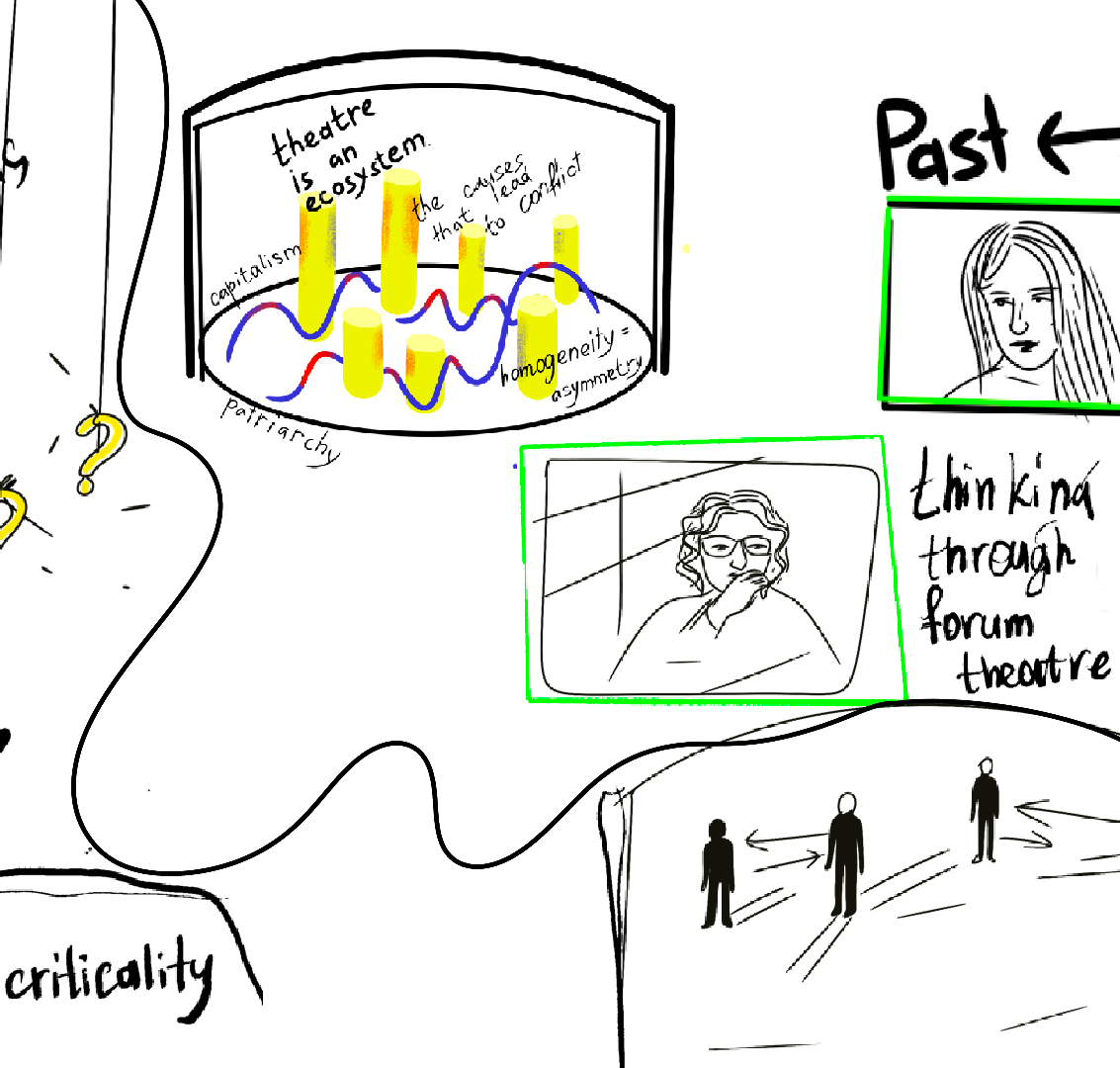
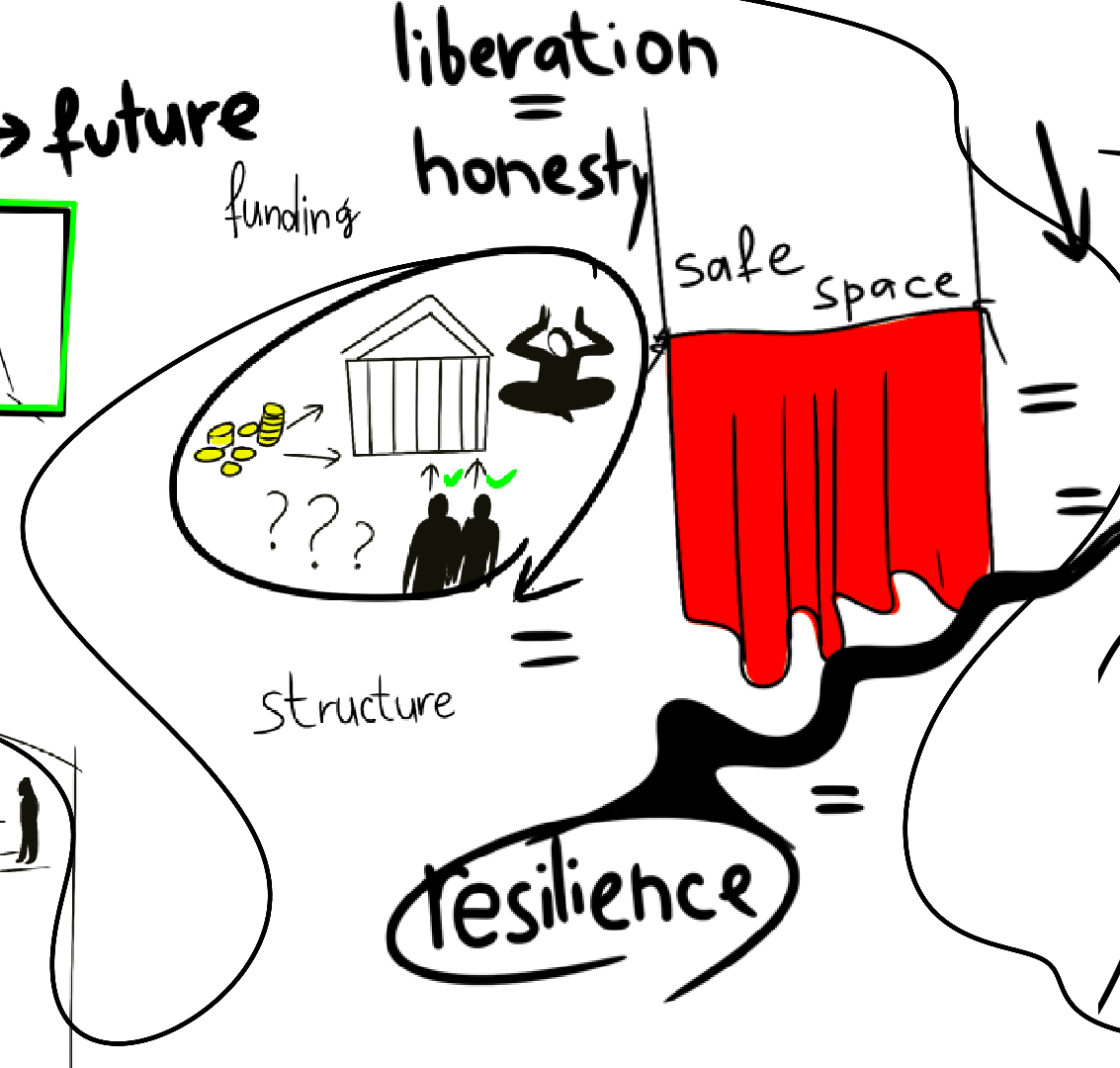
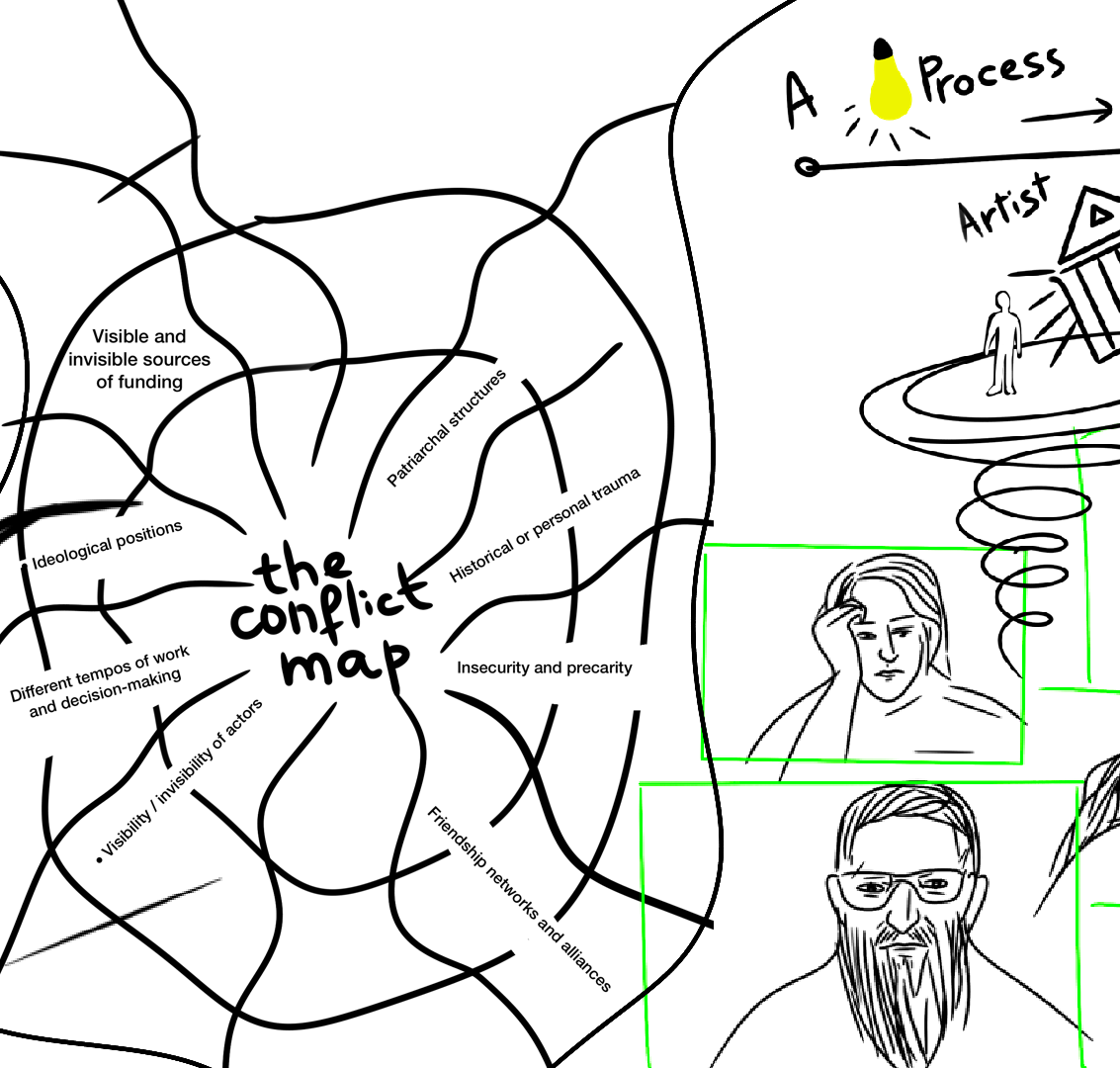
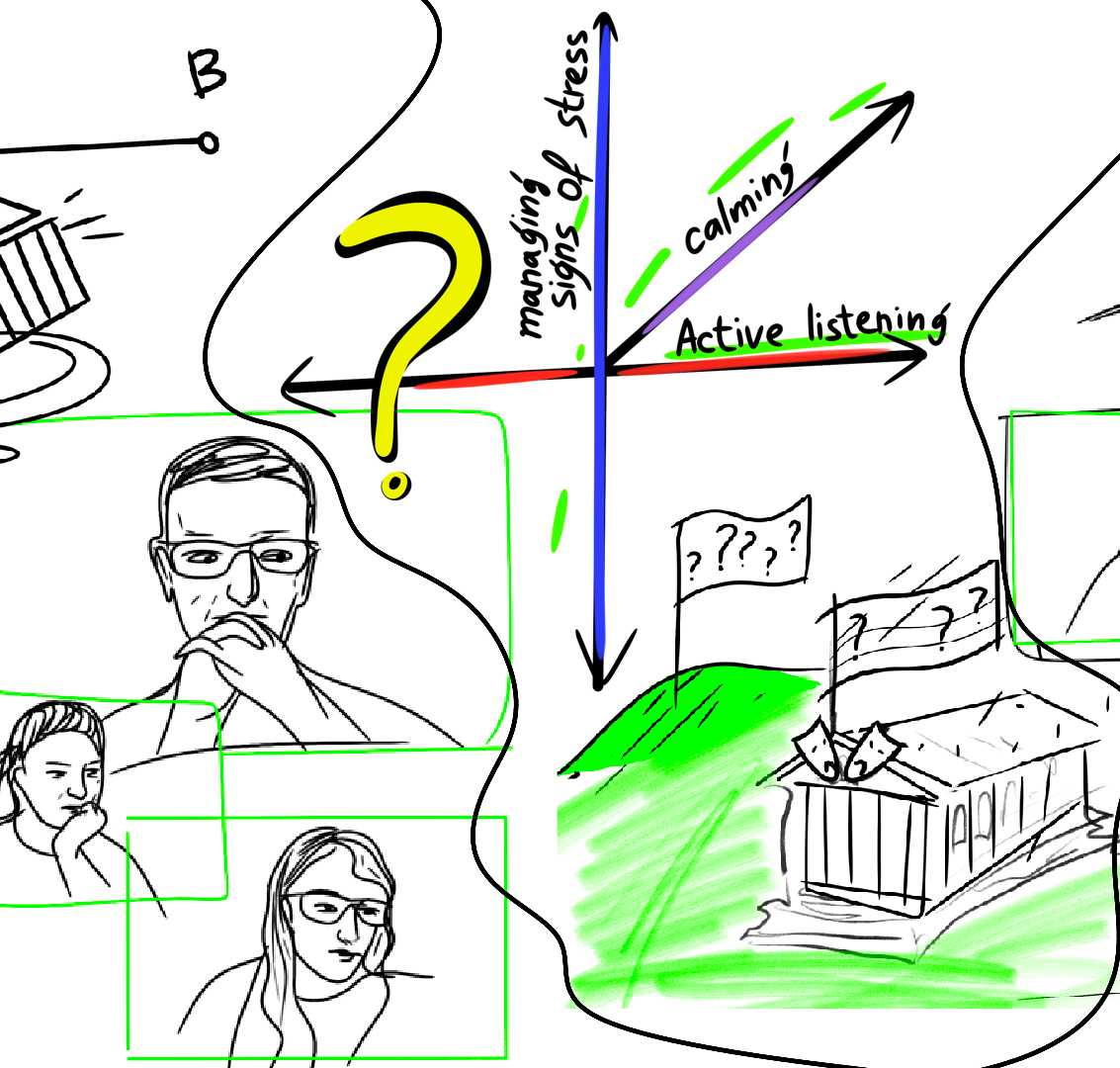
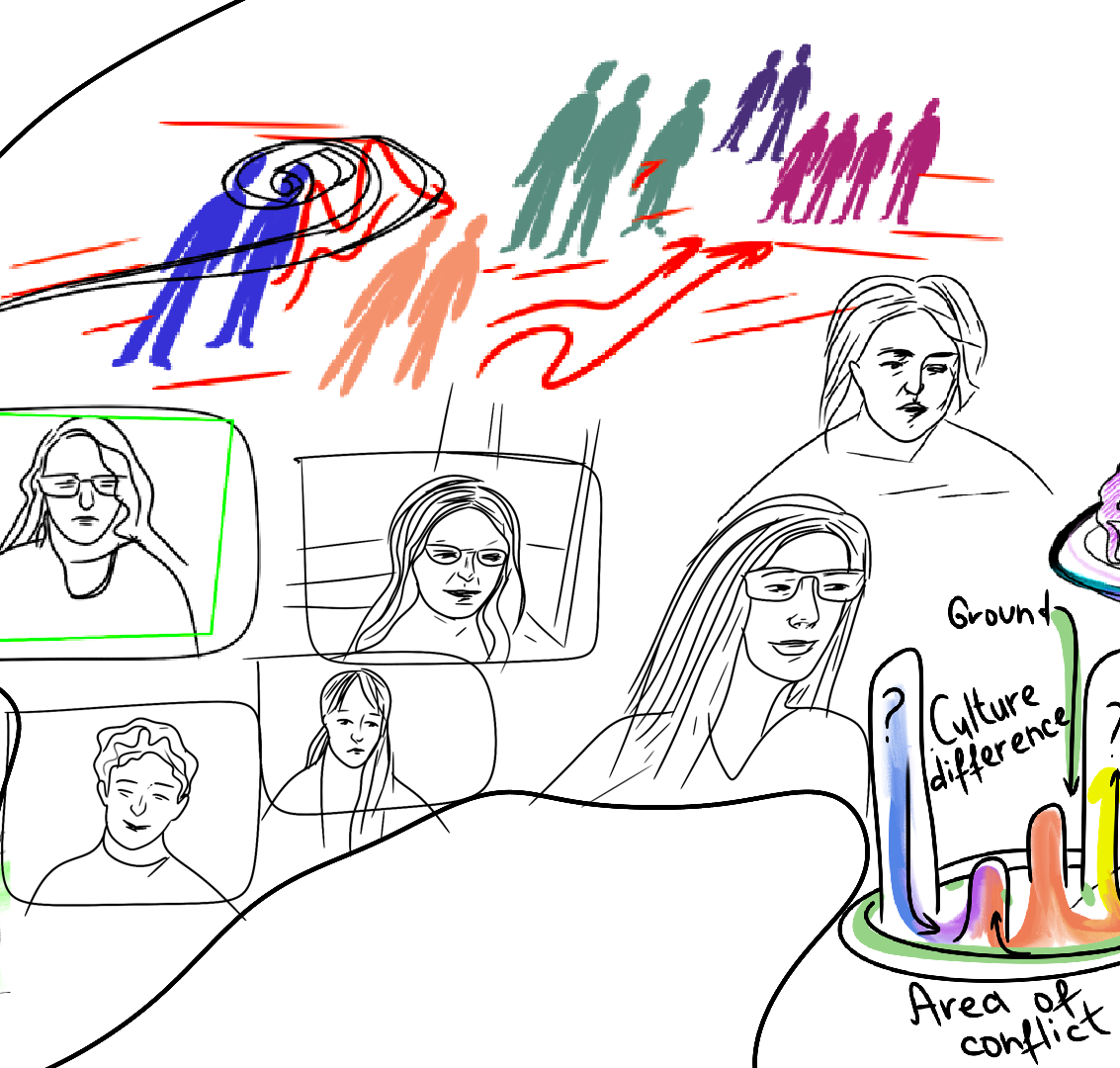
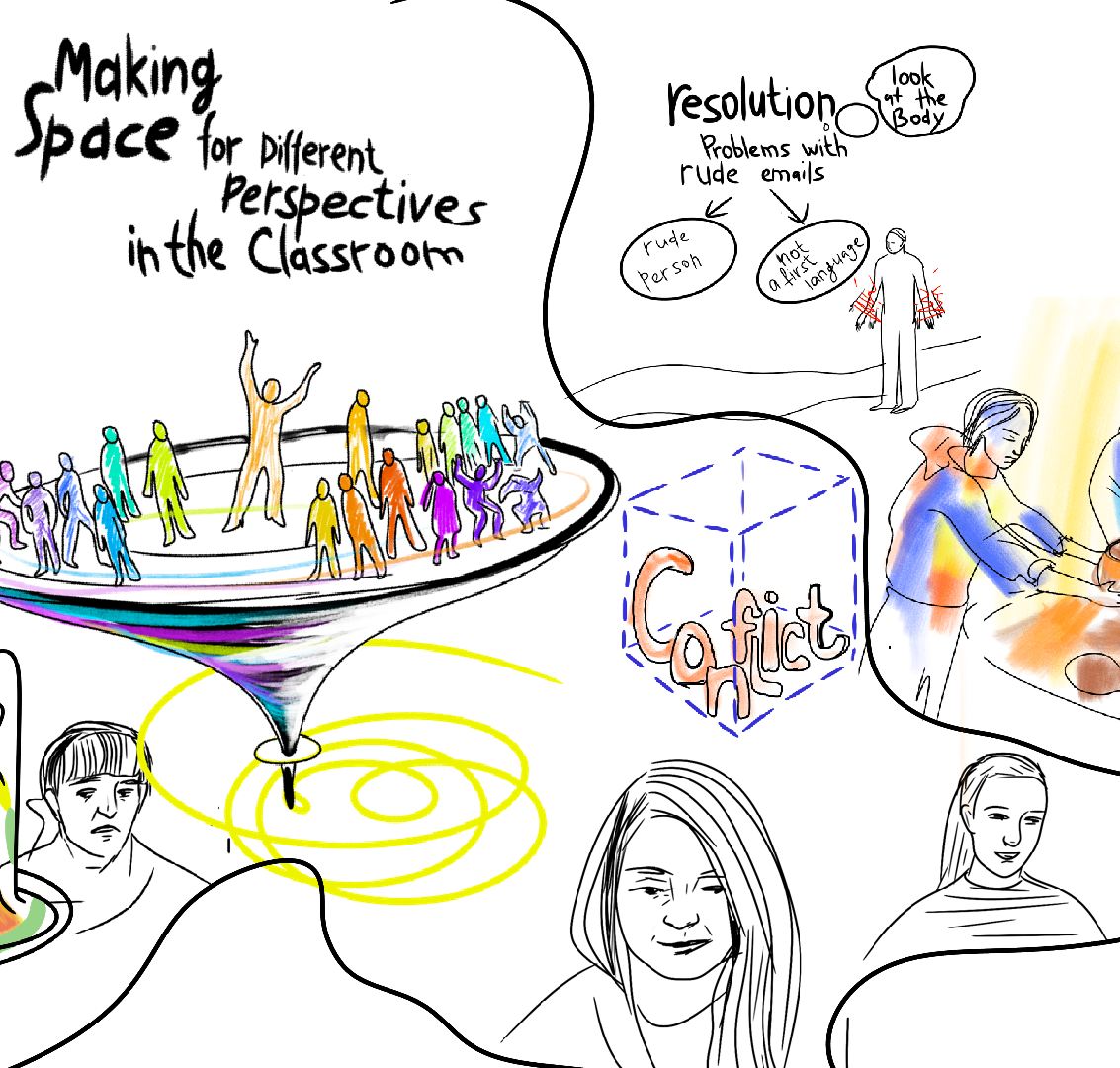
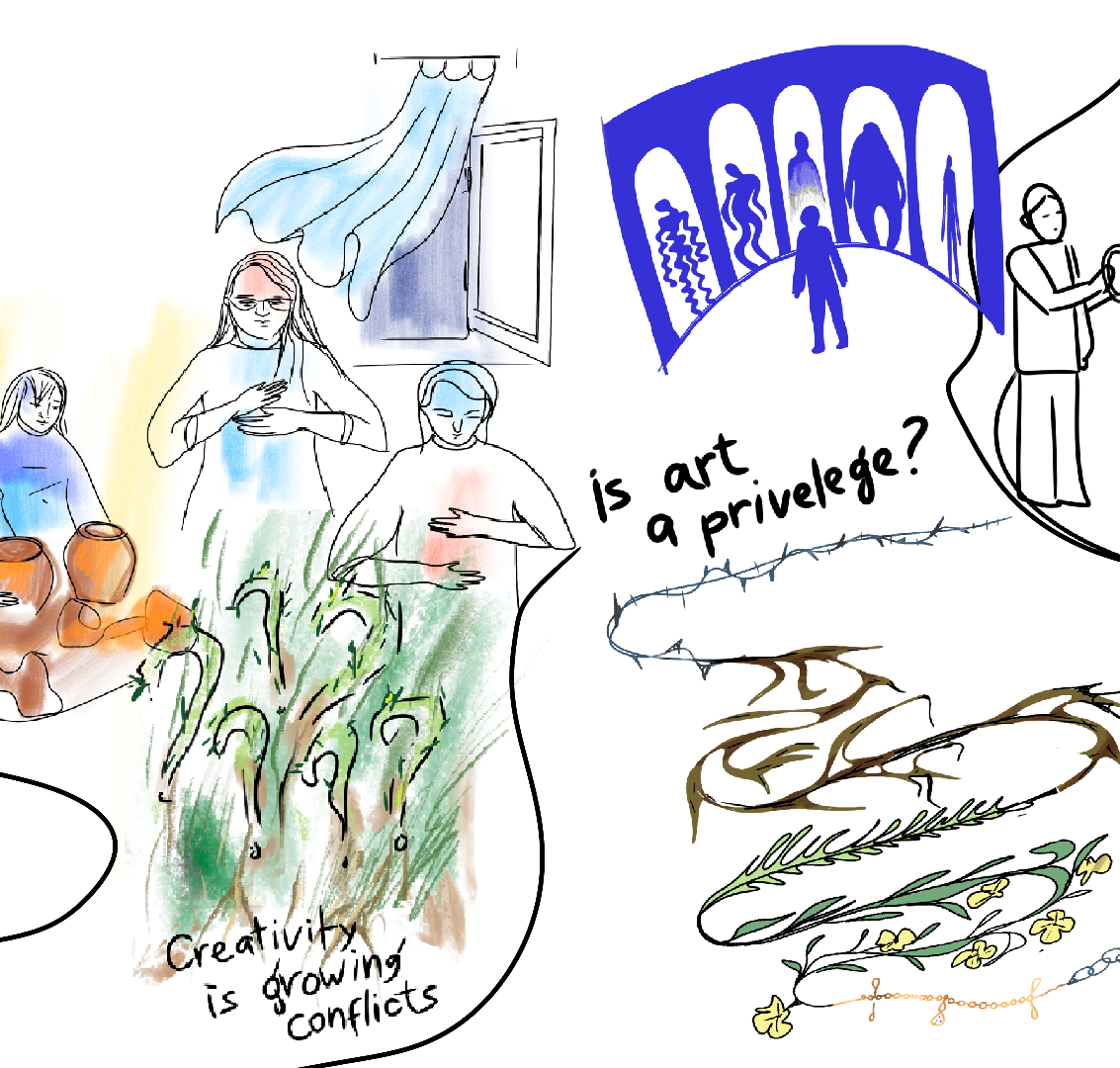
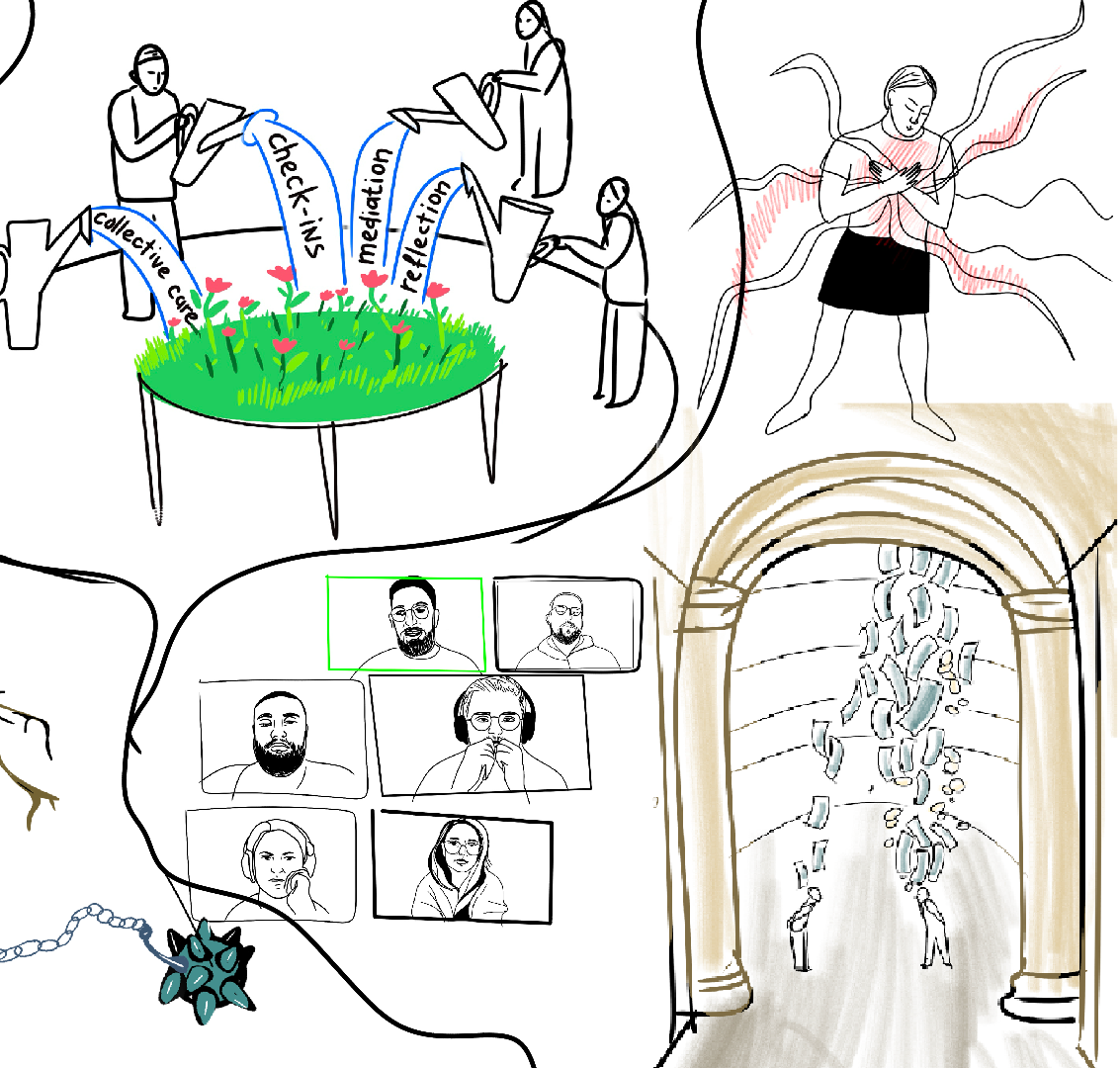
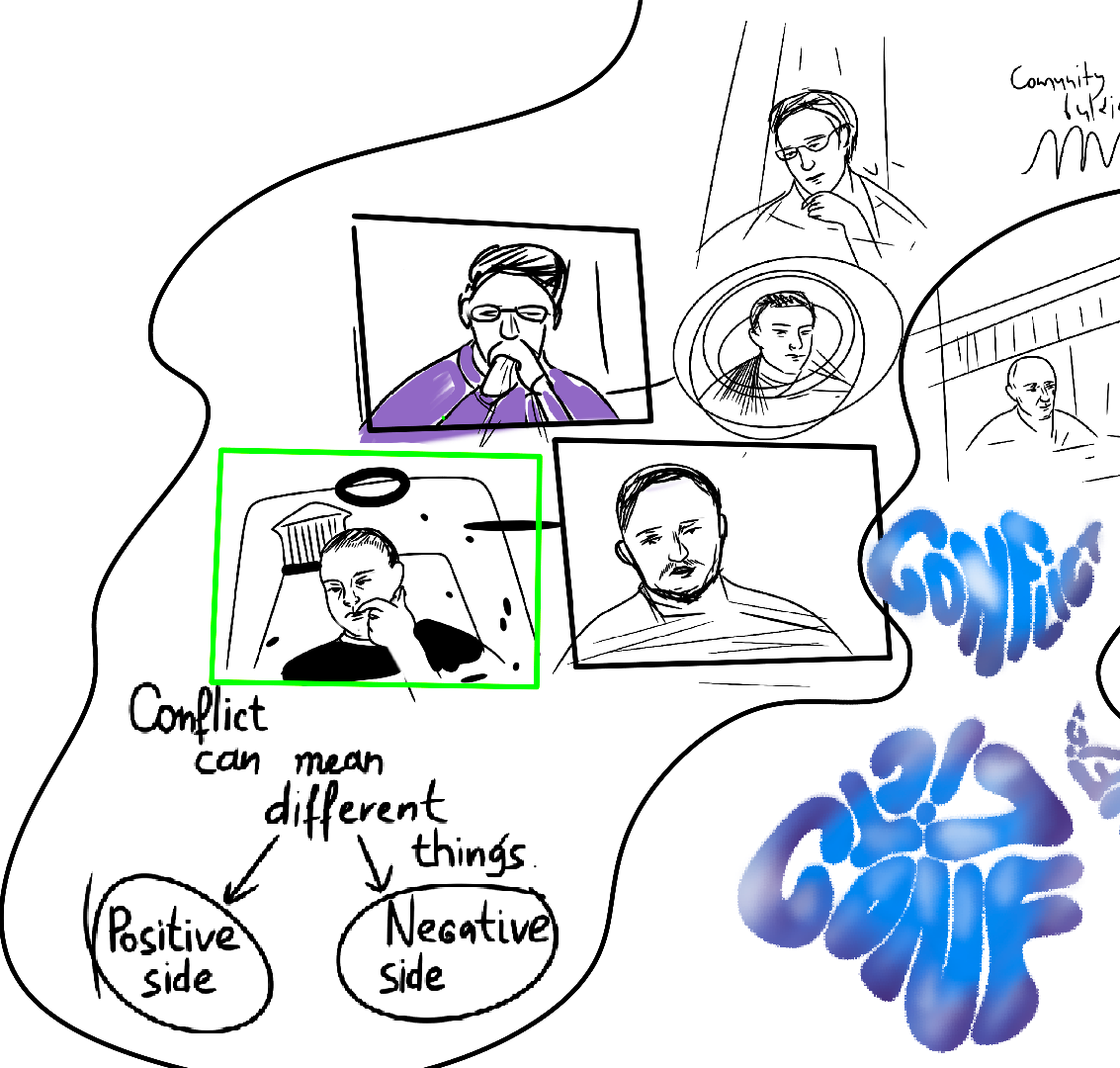
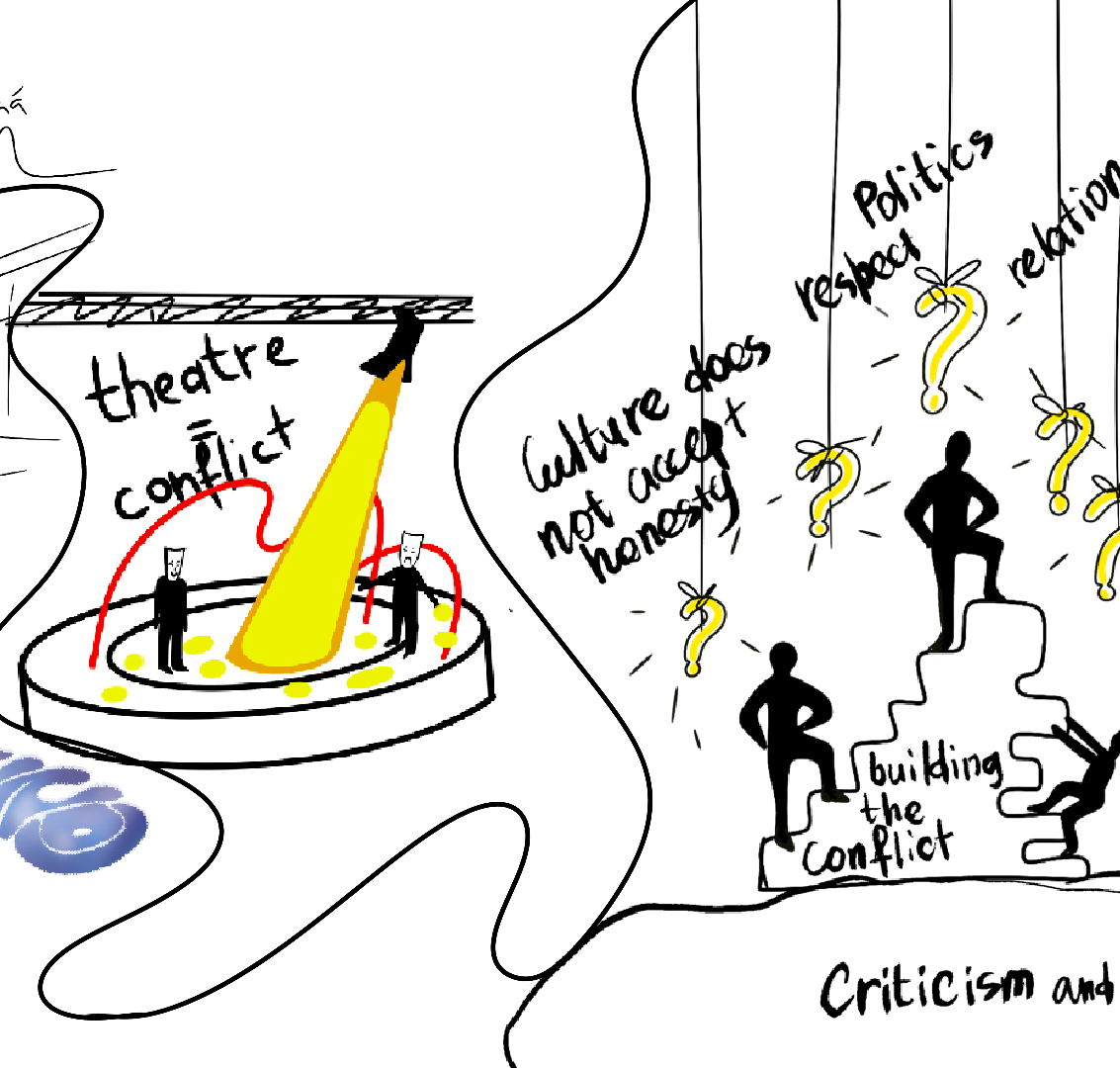
Arts and Solidarity focus groups live illustration
Research Part of Arts and Solidarity: Tackling Conflicts through Artistic Feminist Practices and Peaceful Conflict, co-funded by Erasmus+, implemented by FemLink, Austria and Celadon Center for Art and Ecologies, Cyprus
Celadon, April 2026
The Research part of the Arts & Solidarity project included a literature review focusing on how to tackle conflicts through artistic feminist practices and peaceful conflict mediation and a series of 5 focus groups, involving over 35 participants involved in adult learning practices. The live illustration was an essential part of the focus groups. You may enjoy the images illustrating the process below. The full text of the research is available under this link.
The Arts & Solidarity Literature Review examines the role of conflict mediation processes within adult learning and community-based contexts, with particular attention to the potential of integrating creative and arts-based practices into conflict mediation training curricula. The review explores how conflict is understood and experienced across different environments—including communities, organisations, and wider social contexts—and analyses how these settings shape conflict dynamics, the factors contributing to conflict emergence, and the ways mediation can support processes of transformation.
To strengthen understanding of conflict within adult education and community work, the review adopts a conflict studies framework to examine how feminist arts-based practices can function as mediating spaces that foster dialogue, communication, and constructive conflict transformation. Particular attention is given to storytelling and self-publishing practices (zine-making) as participatory and reflective methodologies that can support individual and collective meaning-making, amplify diverse perspectives, and facilitate processes of mediation.
The literature review also examines how mediation is understood within contemporary socially engaged artistic practices, which are closely connected to community-based education and social justice initiatives, as well as within broader conflict transformation frameworks. Through the relational and empathetic qualities of these practices, the review highlights the capacity of the arts to support the re-imagination of social relations, promote inclusion, and contribute to social change. The review informed the methodological design of the focus groups by engaging community organisations and adult learning professionals beyond the partner organisations, thereby broadening the project’s reach and diversifying the perspectives gathered on conflict experiences and the relevance of artistic approaches in addressing group tensions. As such literature review provides the conceptual and methodological foundation for the implementation of the Arts & Solidarity Summer Laboratory and the Arts & Solidarity Workshop, supporting the practical application of arts-based conflict mediation approaches within the adult learning sector.
The series of focus groups was designed as a set of interactive, interdisciplinary sessions exploring peace-building through artistic and creative methodologies. Facilitators and participants from diverse professional backgrounds—including arts, academia, and community practice—engaged in structured dialogue that combined sociological, artistic, and research-based approaches, while adhering to ethical standards of participatory inquiry. The sessions created a space for critical reflection on conflict as both a challenge and a productive force within organizational and community contexts.
Across the discussions, a central theme was the reframing of conflict as an inherent and potentially constructive element of collaborative work. Participants examined how conflict manifests in both personal and institutional settings, particularly in contexts such as Cyprus and Austria, where historical, cultural, and political dimensions shape interpersonal dynamics. Key factors influencing conflict included power relations, funding structures, informal networks, and communication breakdowns. Rather than viewing conflict solely as a disruption, participants emphasized its potential to generate transformation, innovation, and deeper relational understanding when addressed constructively.
A significant focus was placed on the role of artistic practices in conflict mediation and peace-building, especially in post-conflict and divided societies. Participants highlighted how creative methodologies—such as drawing, writing, performative exercises, and visualisation—can facilitate emotional expression, reduce defensiveness, and foster empathy. These approaches were seen as particularly effective in creating “safe spaces” for dialogue, where individuals can engage with sensitive issues in non-confrontational ways. The use of metaphor and imagination, drawn from coaching and artistic practices, emerged as a valuable tool for enabling participants to reframe conflict scenarios and envision alternative outcomes.
The discussions also addressed the structural and organizational dimensions of conflict, with particular attention to workplace environments in the cultural and educational sectors. Issues such as hierarchy, leadership styles, cultural differences, and unclear communication were identified as common triggers for conflict escalation. Participants reflected on the links between unresolved conflict, stress, and burnout, noting that avoidance often leads to accumulation of tensions and eventual breakdowns in collaboration. In response, the importance of early detection, ongoing dialogue, and investment in relationship-building was emphasized as key to sustainable conflict management.
Another critical area of reflection concerned the role of art itself within conflict transformation processes. Participants debated whether art should be instrumentalized as a tool for mediation or valued for its intrinsic capacity to provoke reflection and transformation. This distinction highlighted the need to carefully navigate the boundaries between professional artistic practice and its application in therapeutic or educational contexts, ensuring clarity of intention and ethical engagement.
The focus groups also generated practical insights into the skills required for effective conflict resolution, including empathy, active listening, self-awareness, and accountability. Participants underscored the importance of establishing clear structures and shared values within teams, alongside fostering openness and trust.
The outcomes of these sessions will inform several key project deliverables, including a research analysis on conflict and burnout, a creative publication (zine) integrating textual and visual documentation, and the development of a one-week laboratory workshop in Cyprus. This forthcoming laboratory will translate the insights gathered into applied methodologies, supporting adult learners, educators, and cultural practitioners in integrating artistic approaches to conflict transformation and collaborative practice.
Conclusion
The findings suggest that conflict, when approached constructively, can serve as a valuable and transformative tool within collaborative, organizational, and community contexts rather than a disruptive force. Participants consistently emphasized that conflict is shaped by complex factors such as power dynamics, communication practices, and cultural or historical contexts, particularly in settings like Cyprus and Austria. When acknowledged early and addressed through open dialogue, conflict has the potential to strengthen relationships, and deepen mutual understanding. At the same time, avoidance and unresolved tensions were linked to stress, burnout, and breakdowns in cooperation, underscoring the importance of proactive and relational approaches to conflict management.
A key conclusion is the significant role of artistic and creative methodologies in facilitating conflict transformation and peace-building. Practices such as drawing, writing, and performative exercises were found to create safe, empathetic spaces that enable participants to engage with sensitive issues in less confrontational ways. These methods support emotional expression and help reframe conflict in the tensed communities. At the same time, the discussions highlighted the need for careful ethical consideration regarding the use of art, balancing its instrumental application in mediation with its value as a reflective and transformative practice.
Indicative Bibliography
Bush R. A. B. & Folger J. P. (2005). The promise of mediation the transformative approach to conflict Revised Edition. San Francisco: Jossey-Bas, Wiley.
Ellis, D. G. (2010). “Intergroup conflict”, The Handbook of Communication Science Second Edition edited by Berger, C. R. Roloff, M. E. Roskos-Ewoldse, D. R. Los Angeles, London, Delhi, Washington D.C.: Sage, Pp. 291-30Gore, J. M. (1992).
What we can do for you! What can “We” do for “You”?: Struggling over empowerment in critical and feminist pedagogy. In C. Luke, & J. Gore (Eds.), Feminismsand critical pedagogy (pp. 54–73). New York: Routledge.
Kallman, M. & Clark, T. (2016). The Third Sector Community Organizations, NGOs, and Nonprofits. Urbana, Chicago & Springfield: University of Illinois Press.Nakata, A. Vuopala, E. & Weinberge, A. (2025). “Conflict experiences and management strategies in intercultural collaborative learning” in Research in Comparative & International Education. 20(2), p.p. 291–313, SAGE.

„Funded by the European Union. Views and opinions expressed are however those of the author(s) only and do not necessarily reflect those of the European Union or OeAD-GmbH. Neither the European Union nor the granting authority can be held responsible for them.“
